Get in Touch
+234 7032757336
Follow Us On Social Media
Fundamentals of Molecular Diagnostics: Hands-on Laboratory Training in Clinical Testing
Home » Trainings  »  Fundamentals of Molecular Diagnostics: Hands-on Laboratory Training in Clinical Testing

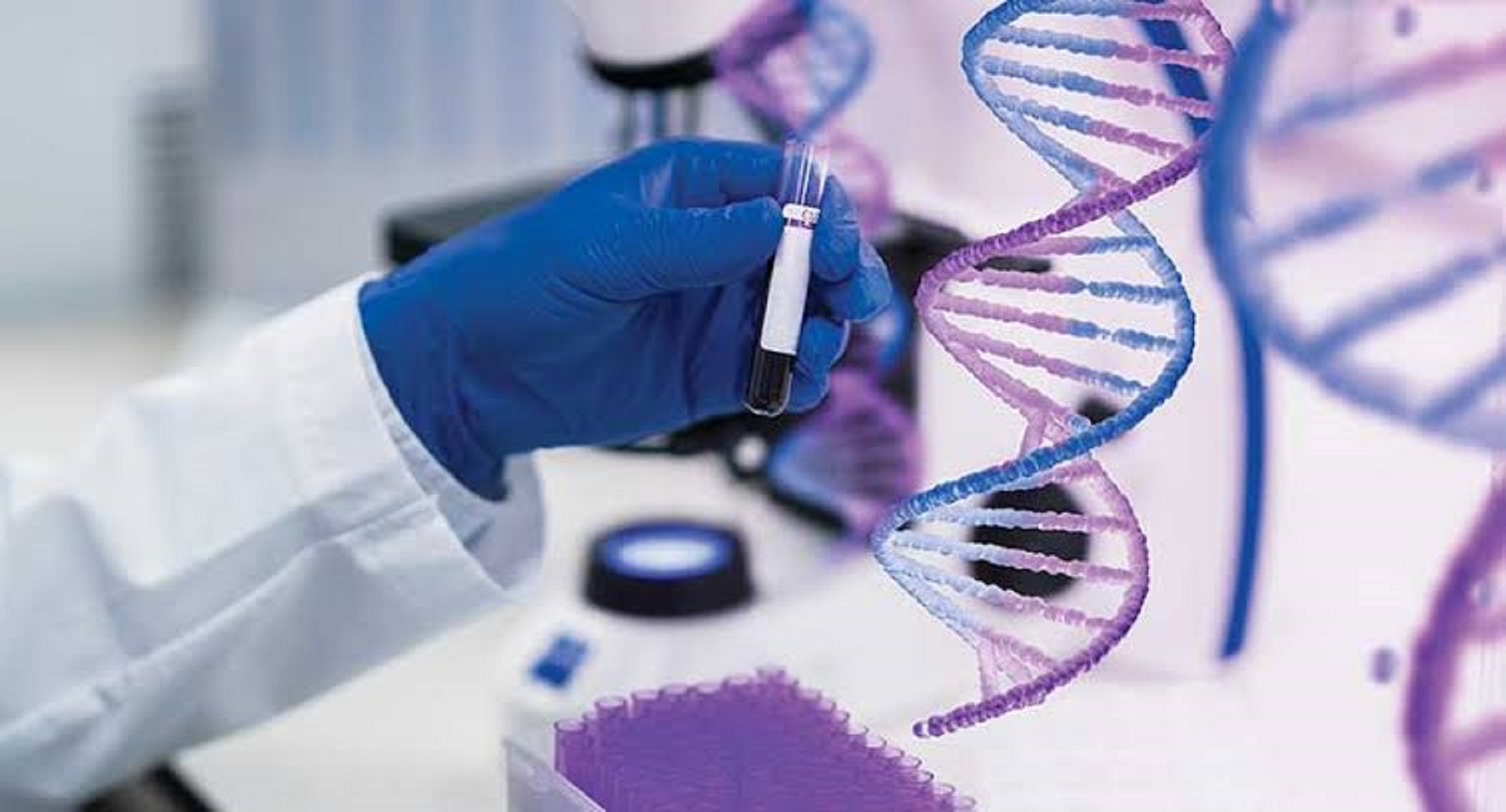
Fundamentals of Molecular Diagnostics: Hands-on Laboratory Training in Clinical Testing is a 3-day introductory laboratory course designed to provide practical experience in modern molecular diagnostic techniques. Through a combination of expert-led lectures, guided laboratory sessions, and case-based learning, participants will gain foundational knowledge and hands-on skills in molecular testing used for the detection of infectious diseases and other clinically relevant conditions.

The course covers the complete molecular diagnostic workflow, including laboratory biosafety, specimen handling, DNA extraction, PCR setup, introduction to real-time PCR, result interpretation, quality assurance, and basic diagnostic reporting. Participants will also develop essential laboratory competencies such as micropipetting, laboratory documentation, and clinical case analysis.

This program is ideal for medical laboratory scientists, healthcare professionals, researchers, and undergraduate or postgraduate students seeking practical exposure to molecular diagnostics. It also serves as the recommended entry-level prerequisite for CeDFoCI's Professional Certificate in Molecular Diagnostics: Hands-on Pathogen Detection & Clinical Testing.

Learning Outcomes

By the end of the course, participants will be able to:

  • Understand the principles and clinical applications of molecular diagnostics.
  • Apply biosafety practices and good molecular laboratory techniques.
  • Process clinical specimens and perform basic DNA extraction.
  • Prepare and set up PCR assays for pathogen detection.
  • Understand the fundamentals of real-time PCR and molecular result interpretation.
  • Follow the complete molecular diagnostic workflow from sample collection to reporting.
  • Analyze and communicate basic molecular diagnostic findings.

Before you explore further, please kindly take the eligibility assessment

You have 100 seconds to pick the correct answer

Thank you for the assessment


Eligibility Assessment

Welcome to the Center for DNA Forensics and Criminal Investigation (CeDFoCI) Training Eligibility Assessment.

Thank you for your interest in our training programme.

This short assessment is designed to help us understand your current knowledge and experience in molecular biology and related laboratory concepts. It is not an examination, and there are no pass or fail grades. Your responses will simply enable our instructors to tailor the training to your learning needs and ensure you get the best possible experience throughout the programme.

We encourage you to answer each question honestly and to the best of your ability.

We wish you every success and look forward to supporting you on your journey into molecular biology, forensic science, and genomics.

1 / 45

Institution/Organization (Please Tell us your Institution or Organzation - Not Graded)

2 / 45

Department (Not Graded)

3 / 45

What is your Highest Qualification (Not Graded)

4 / 45

Field of Study (Please tell us your Field of Study -Not Graded)

5 / 45

Current Position (Please, tell us your current Position - Not Graded)

6 / 45

Have you previously performed any of the following? (Tick all that apply)

7 / 45

How would you rate your laboratory experience?

8 / 45

DNA stands for

9 / 45

Which of the following is NOT a component of PCR?

10 / 45

During PCR, DNA is copied through repeated cycles of

11 / 45

What is the purpose of DNA extraction?

12 / 45

Which reagent helps visualize DNA on an agarose gel?

13 / 45

DNA fragments move through agarose gel because DNA is

14 / 45

Smaller DNA fragments generally

15 / 45

Which pipette would you normally use to measure 10 µL?

16 / 45

What does PCR stand for?

17 / 45

DNA is found inside living cells

18 / 45

Gloves should always be worn when handling biological samples

19 / 45

PCR creates millions of copies of a DNA region

20 / 45

Cross-contamination can affect experimental results

21 / 45

A pipette tip should be reused for multiple DNA samples

22 / 45

Agarose gel electrophoresis separates DNA fragments by size

23 / 45

Bioinformatics involves the analysis of biological data using computers

24 / 45

DNA extraction always requires expensive equipment

25 / 45

Good laboratory practice includes proper labeling of samples

26 / 45

Why is accurate pipetting important in molecular biology experiments?

27 / 45

List the three major steps of PCR

28 / 45

Name any two applications of DNA extraction

29 / 45

What information can agarose gel electrophoresis provide after PCR?

30 / 45

What is bioinformatics, and why is it important in genomics?

31 / 45

Using micropipettes

32 / 45

Preparing laboratory reagents

33 / 45

DNA extraction

34 / 45

PCR setup

35 / 45

Gel electrophoresis

36 / 45

Bioinformatics

37 / 45

Why do you want to participate in the Genomics Gateway Workshop?

38 / 45

What do you hope to gain from this training?

39 / 45

Distilled water can replace DNA polymerase during PCR

40 / 45

Which laboratory instrument is used to measure very small liquid volumes?

41 / 45

DNA fragments move through agarose gel because DNA is

42 / 45

Which reagent helps visualize DNA on an agarose gel?

43 / 45

Smaller DNA fragments generally

44 / 45

Which pipette would you normally use to measure 10 µL?

45 / 45

What does PCR stand for?

Your score is

The average score is 41%

0%

Leave a Reply

Your email address will not be published. Required fields are marked *